I published “How to Prepare for a Deep Sea Fishing Trip?” on @Medium

The City of Atlanta in Georgia is known for its growing population and booming economy. Considered “The City Too Busy to Hate” by players in the real estate industry, some trends tell investors why investing in Atlanta should not be overlooked. The following factors help shape Atlanta’s real estate market through 2027:
1. Population growth - Atlanta’s population continues to grow, leading to a more robust job market. By 2050, nearly three million people shall have moved to Atlanta, based on the Metro Atlanta Chamber report. Film and technology are among the business sectors expected to draw an influx of families needing homes.
2. Rising demand for residential homes - The influx of employees and their families will significantly increase the demand for condos and apartments in the urban areas of Atlanta. Along with this is the expected growth in suburban homes where families can have spacious homes with backyards.
3. Growing infrastructure - Infrastructure expansions, particularly in the transport sector, will tremendously affect neighborhood growth and increase property valuations, especially around transit stations. Moreover, Atlanta has a good transport system, well-maintained parks, and some of the best schools and universities.


One effective strategy to control costs is to take the do-it-yourself approach. Instead of buying expensive bottled wine and juice, prepare fruit juice at home using readily available fruits in the fridge. Additionally, making meals with affordable, in-season ingredients proves more cost-effective than ordering food from a restaurant.
To save costs when cooking for a family reunion, choose a main course meal that is inexpensive to prepare. For instance, meatballs are a great meal choice for cooking on a budget. Then, add more weight to each plate by incorporating as many vegetables as possible into the pot so everyone gets well-fed. To stay within budget, consider replacing the conventional Parmesan and pesto for some recipes with dried herbs and cupboard ingredients to enhance the taste.
Another practical way to save money is to choose affordable desserts. As a budget-conscious host, keep desserts simple and inexpensive. Consider serving slices of fresh watermelon or homemade cookies and cakes.


A property that remains occupied for long durations offers the investor long-term, steady income. Due to their volume and sheer mass, tenants do not like the prospect of moving an industrial business frequently. For this reason, tenants may prefer to renew their lease than pack and relocate.
Most industrial real estate property leases are either double or triple-net leases, which results in a totally ‘hands-off’ investment for the landlord. In a double net (NN) lease, the tenant is responsible for most expenses associated with their occupancy, such as property taxes, insurance, and routine maintenance. The exceptions are structural items such as the foundation or roof. In a triple net (NNN) lease, the tenant takes care of everything associated with occupying the building.
A standard commercial property like an office building comes with numerous overhead expenses. The owner has to undertake renovations, repairs, and upgrades throughout the ownership. These are not only time-consuming but costly.
However, the maintenance requirements might be much lower with industrial real estate. Most industrial properties are big, open spaces with concrete floors and exposed high ceilings. They don’t require high-end fixtures, flooring, and other expenses such as soundproofing.
The growth of e-commerce also makes industrial property more attractive as an investment option to investors. E-commerce businesses need more storage facilities and warehouses to keep up with growing customer demand. These companies need additional space for inventory storage and shipping activities.
In addition, industrial real estate is located in less densely populated areas, making them appealing for businesses that ship products. Another plus is that they are often near transportation routes, seaports, airports, and rail terminals.

Selecting the right industrial real estate site is a critical decision that can significantly impact the success of a business. Whether a company wants to establish a manufacturing facility, warehouse, or distribution center, it must thoroughly evaluate potential sites to ensure long-term operational efficiency and profitability...

I published "Common Species of the Famous Tuna Fish" on Wordpress

The real estate industry is a diverse and thriving sector, encompassing various property types and investment opportunities. Among them, industrial real estate holds a crucial position, facilitating economic activities and serving as a vital link in the supply chain.
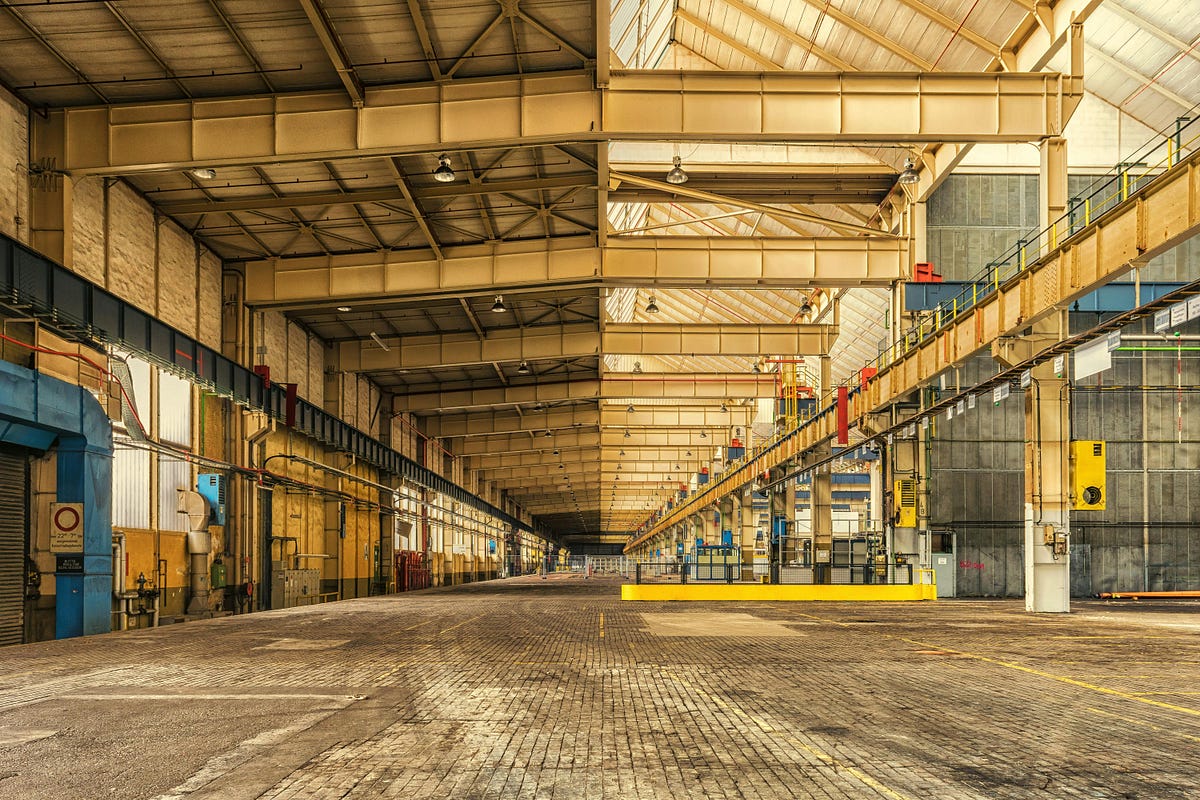
Industrial real estate refers to properties specifically designed and utilized for industrial purposes and encompasses various facilities. Industrial properties are characterized by their large land areas, allowing ample space for manufacturing processes, storage, and transportation needs. They also include spacious buildings with high ceilings, loading docks, and wide doors to accommodate machinery, equipment, and inventory.
Generally, industrial real estate properties are strategically located to ensure accessibility. Proximity to transportation hubs such as airports, seaports, and rail terminals is vital for seamless logistics operations. Access to major highways and transportation networks ensures efficient connectivity with suppliers, customers, and business partners.
Industrial real estate property heavily relies on well-developed infrastructure and utilities. For example, the sector requires reliable access to power, water, and sewage systems.

Specialized infrastructure, such as clean rooms or data centers, caters to specific industry needs, fostering operational efficiency and innovation. Manufacturing facilities, such as assembly plants and warehouses, serve as production and storage hubs, facilitating the manufacturing process and inventory management.
Distribution centers are another type of industrial real estate. Others are logistics hubs and fulfillment centers. These facilities play a pivotal role in managing the movement and distribution of goods, particularly in the booming e-commerce industry.
Research and development (R&D) facilities also form a category under industrial real estate. These facilities include laboratories and innovation centers, providing spaces for scientific research, technological advancements, and collaborative innovation.
Flex space is another type of real estate that refers to mixed-use industrial properties. These offer adaptable spaces that can be tailored to meet the changing needs of businesses, supporting diverse operational requirements.
The rise of online shopping has fueled the demand for warehouse and distribution space, with fulfillment centers playing a crucial role in meeting the needs of e-commerce operations. Companies are reevaluating their supply chains, favoring localized production and proximity to consumers. Consequently, warehouses in strategic locations support shorter supply chains and ensure faster delivery.
Automation and robotics are transforming manufacturing processes, increasing the demand for industrial spaces equipped with advanced technology. Specialized facilities like data centers cater to the growing digital infrastructure needs.
Industrial properties have shown growth potential in capital appreciation due to increasing demand and limited supply. Favorable market conditions and diversification benefits make industrial real estate an appealing investment option.
Nevertheless, while industrial real estate offers promising investment prospects, it is not without its fair share of potential risks and challenges. Economic fluctuations and market volatility can significantly impact the value and demand for industrial properties. During periods of economic downturn, businesses may scale back their operations, leading to potential vacancies and reduced rental incomes for industrial real estate investors.
In addition, navigating the regulatory landscape poses a challenge in the industrial real estate sector. Compliance with zoning regulations ensures that industrial properties are appropriately located and designated within designated industrial zones. Failure to comply with these regulations may result in fines, delays in construction or occupancy, or even legal disputes.
Moreover, adhering to environmental standards is crucial for sustainable and responsible development. Industrial operations can have significant environmental impacts, such as pollution, waste generation, or energy consumption.
Implementing environmentally-friendly practices, such as incorporating energy-efficient systems, waste management protocols, and sustainable design, is increasingly essential for industrial real estate investors and developers. Failure to address environmental concerns may result in reputational damage, legal liabilities, and increased operational costs.
Furthermore, site remediation or cleanup may be necessary when acquiring previously used industrial properties to ensure compliance with environmental regulations and mitigate potential contamination risks. This process can be time-consuming, complex, and costly, further adding to the challenges of industrial real estate investment.
 |
| Kate Sharp (Birmingham, AL) |
Embarking on a deep sea fishing expedition is not just a potentially exhilarating adventure, but an extraordinary opportunity to create lasting memories while reeling in the ocean's prized catches. However, the vastness of the deep sea can be intimidating, particularly for those new to this exciting pursuit.
To maximize your chances of success and ensure a safe and satisfying experience, it becomes paramount to steer clear of common mistakes that have the potential to ruin your fishing trip.
One of the gravest mistakes anglers make is neglecting to maintain their fishing equipment. Saltwater environments are notorious for their corrosive nature, which can wreak havoc on reels, lines, and other gear.
Failing to clean and lubricate your equipment after each trip can lead to rust, decreased performance, and even equipment failure. Remember, a well-maintained rod, reel, and line will greatly enhance your chances of landing the fish you’re going after.

I published “How to Prepare for a Deep Sea Fishing Trip?” on @Medium